Electrical Safety Guidelines for Electricians
Electrical safety is the responsibility of all electricians, employers, and management. Safety is more important than any job, and every electrician must ensure that their working environment is free from hazards and that all company and workplace safety policies and guidelines are strictly followed.
Electricians, and by extension all tradespersons, are exposed to the risk of injury through negligence or accidents while on the job. Therefore, electricians must always ensure their work area is safe and must wear the proper Personal Protective Equipment (PPE) at all times, whether working in construction, commercial, or industrial settings.
Common Electrical Hazards
Electricians must guard themselves against the following hazards:
Personal Protective Equipment (PPE)
The main PPE required for electricians includes:
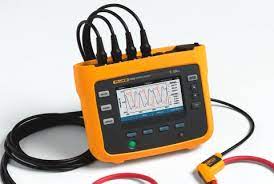
Safety Equipment
The primary safety equipment used by electricians includes:
All equipment must be inspected regularly for damage or defects. Any defects found must be reported immediately to a supervisor, and the necessary corrective actions must be taken in accordance with company safety policies, OSHA standards, and NFPA 70E safety guidelines.
Essential Electrical Safety Practices
Electricians must observe the following safety practices at all times:
Treat all electrical wires and conductors as live—never assume a wire is de-energised
Never work alone
Avoid using metal ladders; use wooden or fibreglass ladders only
Position ladders at the correct angle before climbing
Secure ladders firmly to prevent movement
Avoid working on live circuits whenever possible
When working on live circuits:
When disconnecting conductors from a live circuit, disconnect in the following order:
Live
Neutral
Earth (ground)
Emergency Response and Jobsite Awareness
Electricians must look out for one another and be prepared to assist in the event of an accident. In the event of electric shock:
Turn off the power immediately
Remove the victim from the electrical source using insulated materials (wood, rubber, or paper)
Call the emergency number immediately
Electrical burns and falls must be treated in accordance with OSHA and approved safety procedures.
Behaviour and Worksite Safety
Electricians must not consume alcohol while on the job, as it impairs judgement and can complicate medical treatment if an injury occurs
Lock Out / Tag Out (LOTO) procedures must always be applied when working on electrical or mechanical systems that could be energised accidentally or intentionally
Work areas must be kept clean and free of debris to prevent slip and trip hazards
Power tools must be used strictly according to manufacturer instructions
Safety Training and Compliance
Many companies conduct weekly or monthly safety meetings to ensure workers remain informed and compliant with safety protocols. It is the responsibility of every worker to attend these meetings, follow safety updates, and adhere to all safety measures.
New employees entering industrial environments are required to attend safety orientation sessions before commencing work.